





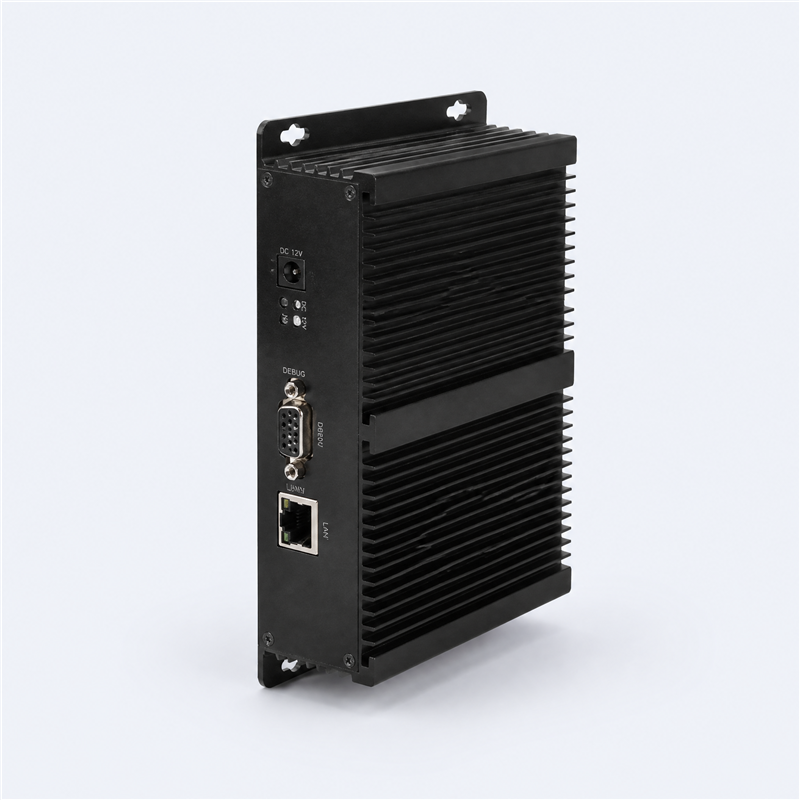
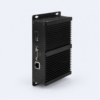
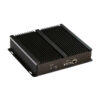
WE-LS10 2.4GHz Positioning Inventory Server
- ◆ It can access no less than 500 positioning base stations at the same time.
- ◆ It can collect the location information of no less than 10,000 electronic tags at the same time.
- ◆ Four-core Cortex-A7 processor, 1.2GHz main frequency, 8G core storage space.
- ◆ Industrial temperature range, suitable for all kinds of harsh environments.
- ◆ Embedded Linux operating system, stable and reliable.
- ◆ 9-30V wide voltage supply, effective filtering of power supply ripple.
- ◆ The communication interface is isolated inside and outside, with EMC protection and electrostatic protection.
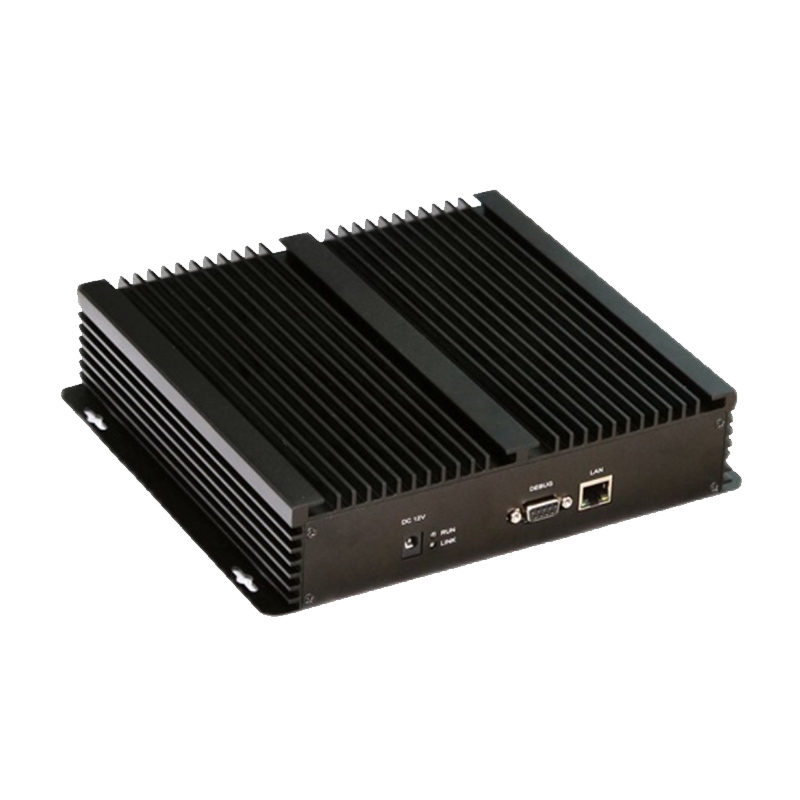
- ◆ All-aluminum ice spike cooling chassis, all enclosed without fan, suitable for all kinds of harsh environments.
- ◆ Open management protocols that fully integrate location functionality into their own system platforms.
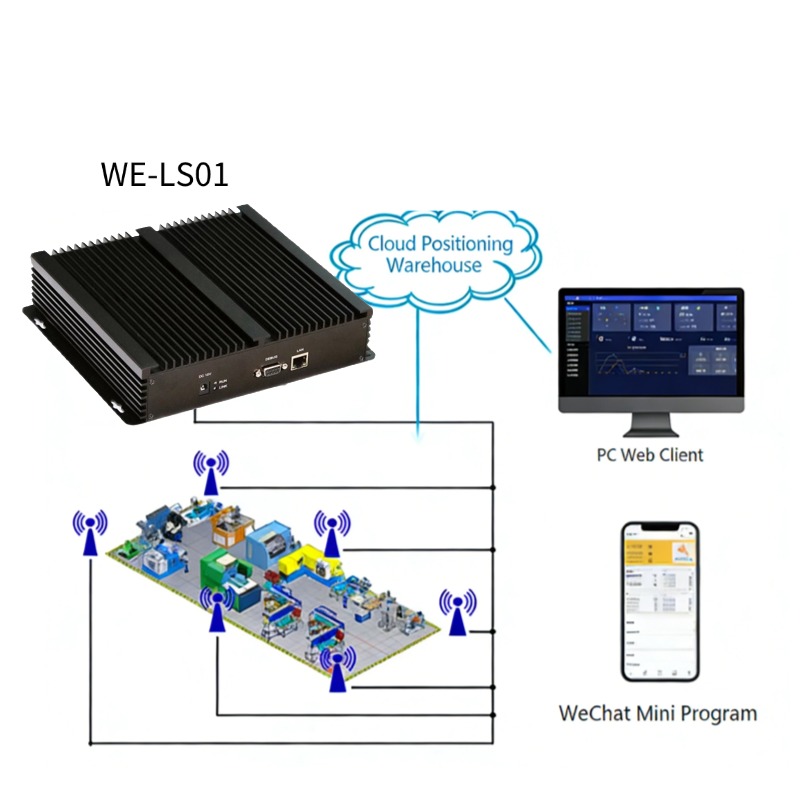
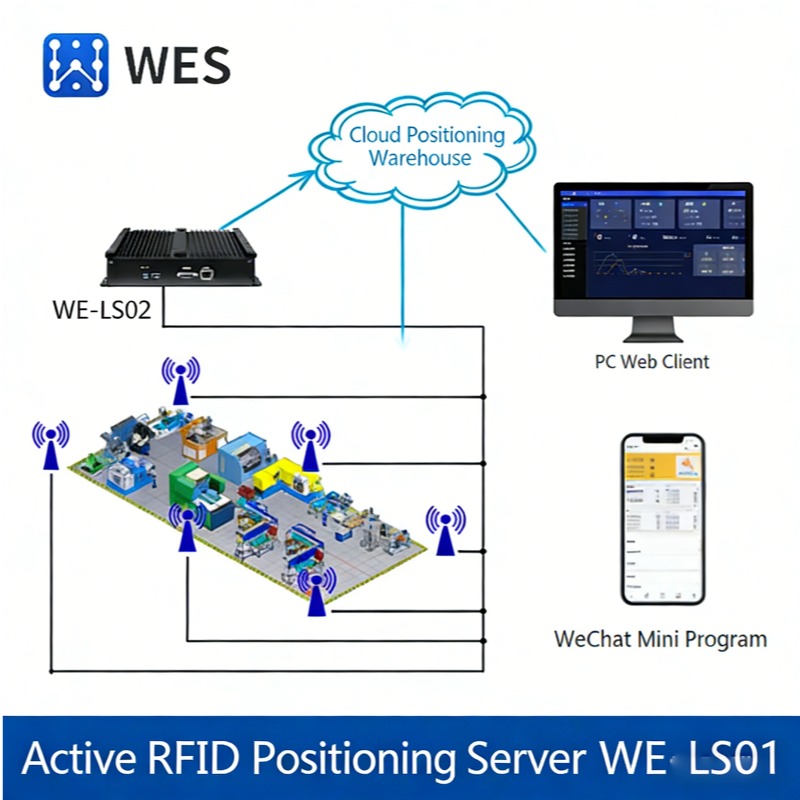
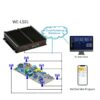
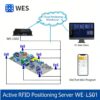
The positioning server connects to positioning base stations, receives real-time tag data from each station, performs data processing to obtain location information for each tag, and ultimately reports this information to a third-party application platform. The third-party platform not only identifies the tags’ locations but also enables users to trigger electronic tags (sound-light activated tags only) via the server. Users can quickly locate the tags through audio-visual alerts.
By utilizing location server management software, organizations can design customized regional maps, strategically position base stations, monitor real-time status of each base station, and track tag locations on the map. This streamlined approach enables efficient deployment of positioning systems. Once the data push network address is configured on the location server, it continuously transmits positioning data to third-party platforms. Upon receiving this data, client platforms can swiftly implement various location-based personalized services.
In addition to using our free management software to manage the positioning system, customers can also realize comprehensive control of the positioning system equipment through the open management interface (protocol), develop their own positioning system management functions, and fully integrate the positioning system as a module component into their own system platform.
| project | component | explain |
|
central processing unit |
CPU | Four-core Cortex-A7 processor, 1.2GHz |
| internal storage | 1G RAM | |
| memorizer | 8G ROM | |
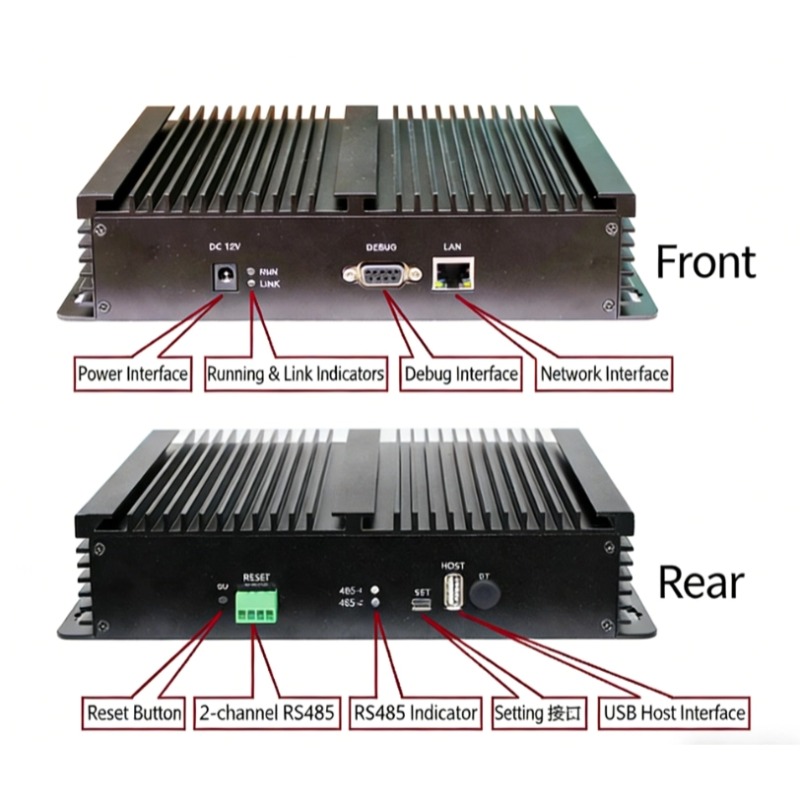
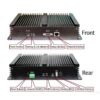
| Ethernet | LAN | 100 megabit Ethernet interface |
| USB joggle | MINI | Port to USB is used to set network parameters. |
| HOST | reserve | |
|
gorge line |
RS232 | DB9 debugging serial port. |
| RS485-0 | RS485 interface 0, extended function. | |
| RS485-1 | RS485 interface 1, extended function. | |
| pilot lamp | RUN | Light for 1 second, off for 1 second, indicating that the equipment is running normally. |
| LINK | Connect to the cloud service platform, and the lights will be on. | |
| source | voltage | DC12V |
| power | The power of the whole machine does not exceed 30 watts | |
| size | 234mm*200mm*52mm | |
| weight | 1500 grams | |
| work environment | temperature | -20℃~+60℃ |
| humidity | No more than 95% (no condensation) |
Related Products